Roof replacement is the process of tearing off your old shingles, inspecting the deck, and installing a new roof system that protects your home for 25 years or more. In Toms River, where salt air and Nor'easters test every surface, this work means more than swapping shingles—it means rebuilding the barrier between your family and the weather.
You need this service when your roof shows end-of-life wear: granule loss collecting in gutters, shingles that curl or crack at the edges, or water stains on your ceiling after a storm. Sometimes the signs are quiet—a faint drip in the attic, a musty smell after rain. Left alone, moisture seeps through worn spots, wicks along the sheathing, and rots the plywood underneath. That's when a simple replacement turns into a deck repair too.
We start with a full inspection. We check the sheathing for soft spots, the underlayment for tears, and the flashing around chimneys and vents for corrosion. We also look at the drip edge—that metal strip along the eaves—because if it's missing or bent, water can erode the fascia and soffit. In Toms River, we often find ice dams forming in winter, especially on older homes with poor attic ventilation. That's why we install a ridge vent and ensure proper airflow before laying a single shingle.
For materials, we offer architectural asphalt shingles like GAF Timberline HD or Owens Corning Duration. These carry a Class A fire rating and hold up to wind better than budget options. On homes near Barnegat Bay, we recommend ice-and-water shield along the eaves and valleys—a self-adhered membrane that stops water before it can wick up under the shingles. We also use ring-shank nails for extra grip, and we stagger each course so the seams never line up. That detail matters: staggered courses shed water far better than a straight line ever will.
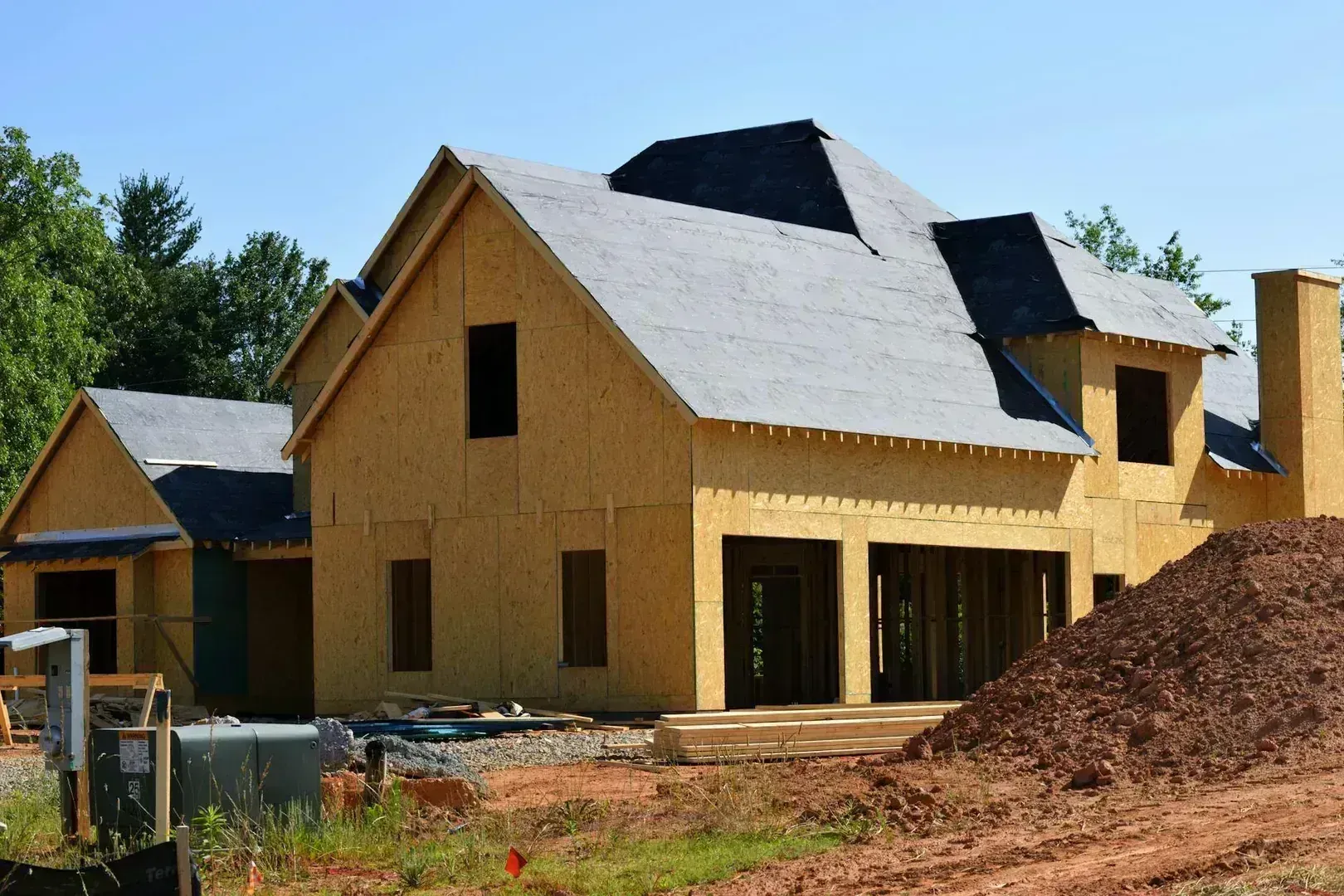
Our crew handles the tear-off in one day, loading the old shingles into a dumpster we place on your driveway. We inspect the deck, replace any rotted OSB or plywood, and install new underlayment and flashing. The final step is the ridge cap, which seals the peak and works with the ridge vent to keep your attic dry. We follow Toms River building code to the letter, and we walk the job with you before we leave. That's how we've served this community since 2004—one roof at a time, with workmanship we're proud to put our name on.